Form-Based Zoning
Zoning Rules That Reflect Cleveland’s Neighborhoods
Form-Based Code is another way of organizing zoning regulations—one that considers both what happens on a property and how buildings and development fit their surroundings.
It provides clearer standards for building scale, placement, frontage, parking, and the relationship between buildings, sidewalks and streets, while continuing to regulate land use.

Contextual, Walkable Neighborhoods
Development that fits the scale and character of the place and contributes to safe, walkable streets.

Predictability
Clearer expectations so residents, property owners, and developers can better understand what can be built and how it should fit.

More Housing Options Through Incremental Growth
Allow a broader range of housing choices at a scale that fits each neighborhood and supports Cleveland's future.
Zoning History Timeline
Nearly 100 Years of Zoning in Cleveland
Cleveland's zoning regulations have evolved over time. Form-Based Code builds on that history with a modern way to organize zoning around the neighborhoods we have today and the ones we want for the future.
| 1929 → | POSTWAR ERA → (1940s-1950s) | 1950s - 2020s → | 2024 → | TODAY → |
First comprehensive zoning code adopted | Major updates as Cleveland and the region changed, including new planning ideas, automobile-oriented development, and a growing region. | Decades of amendments responding to new needs, while the fundamental use-based structure remained. | Form-Based Code takes effect in initial districts. | Cleveland administers both conventional zoning and Form-Based Code. |
Sometimes Our Rules Don't Match the Neighborhood
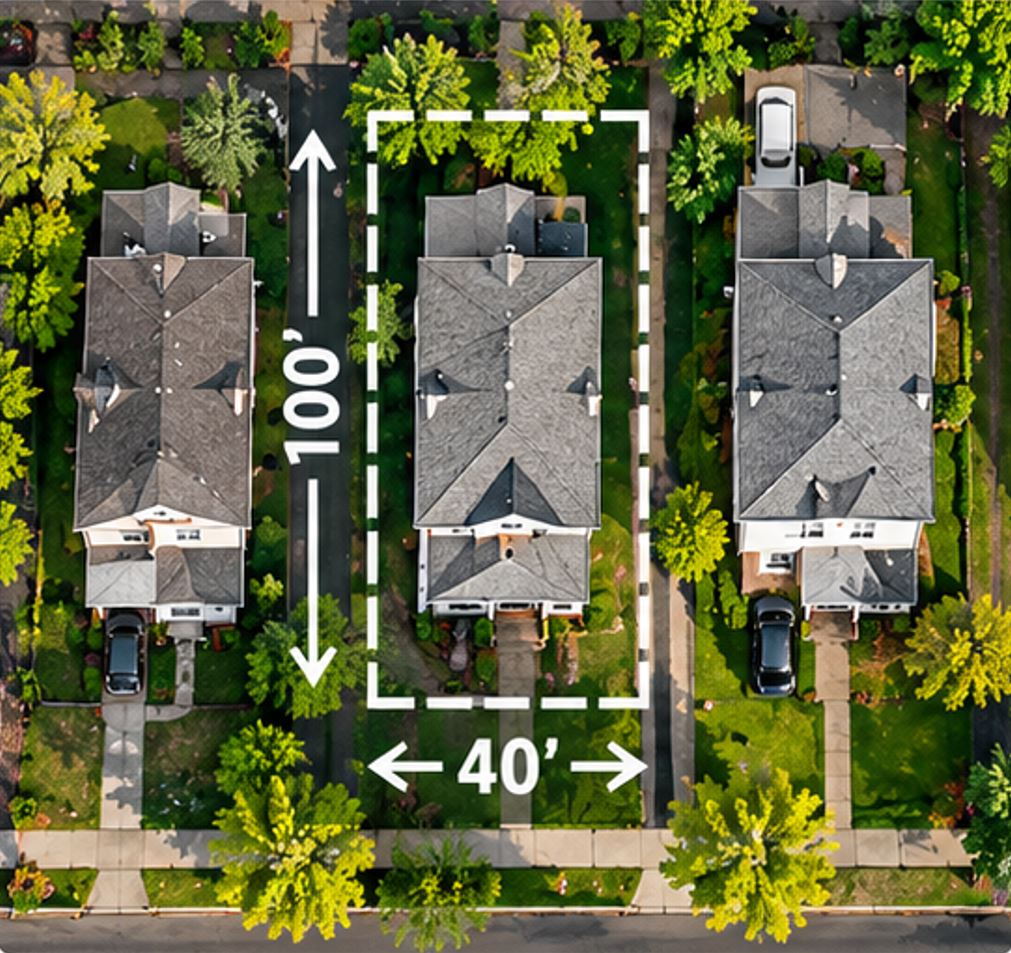
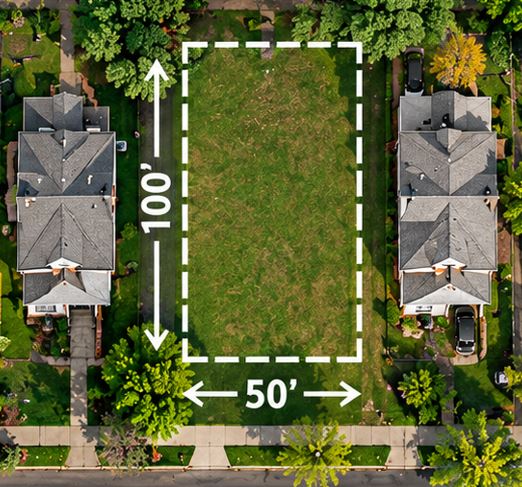
A typical Cleveland residential lot is approximately 40 feet by 100 feet, or 4,000 square feet. Some conventional residential zoning districts require larger minimum lot areas.
That means a perfectly ordinary Cleveland lot can be nonconforming—not because something is wrong with the neighborhood, but because the zoning standard and existing development pattern do not always align.
Modernizing zoning can help our regulations better reflect the neighborhoods they regulate.
4,000 SF Typical Cleveland Lot (40'x100') | 4,800 - 6,000 SF Some conventional residential lot requirements |
It's not that our neighborhoods are unusual. It's that the zoning standards in some conventional districts require larger lots and building areas, which don't always align with Cleveland's existing development patterns. |
 |  |
More Housing Choices for a Stonger Cleveland
Cleveland neighborhoods are home to people at all stages of life, with different needs and budgets. The Form-Based Code allows a greater range of housing types and price points at the right scale and in the right places, so more people can live, work, and thrive in our neighborhoods.
FBC allows a range of housing types at the right scale.
By organizing the city around different scales and contexts, FBC makes it easier to allow a variety of housing types — from house-scale to mixed-use buildings — where they are appropriate.
HOUSE-SCALE | NEIGHBORHOOD SCALE | COMMUNITY SCALE | URBAN FLEX / URBAN NODE | INDUSTRIAL FLEX / URBAN INNOVATION |
 |  |  | 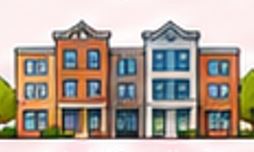 |  |
Houses, Two-Families, Small Multi-Units | Townhouses, Row Houses, Small Apartments | Larger Apartments, Mixed Uses, Neighborhood Centers | Mixed Use, Apartments, Jobs | Jobs, Industry, Institutions |
Different Households. Same Cleveland.
People choose Cleveland for many reasons — and they need different types of homes.
FIRST-TIME HOMEBUYERS Need affordable options like smaller single-family homes, townhomes, or condos. | GROWING FAMILIES Need homes with more space, yards, or additional bedrooms in many neighborhood types. | MULTIGENERATIONAL HOUSEHOLDS Need flexible homes like duplexes, expanded single-family homes, or smaller multi-unit buildings. |
YOUNG PROFESSIONALS Need apartments, condos, and mixed-use options close to jobs, transit, and neighborhood centers. | EMPTY NESTERS / AGING IN PLACE Need smaller homes, accessible homes, or multi-unit options to age in place. | ESSENTIAL WORKERS Need a range of housing options at different price points throughout the city. |
More housing choices create a stronger Cleveland. Every neighborhood has its own identity in some ways. FBC can allow a variety of housing types at the right scale and in the right places.
More housing choices does not always require dramatically larger buildings.
PEOPLE OF ALL STAGES OF LIFE Keeps neighborhoods welcoming and inclusive for a diverse population. |
MORE PRICE POINTS Allows a variety of home sizes and types to meet different budgets, from entry-level to long-term housing. |
STRONGER NEIGHBORHOODS Supports vibrant, mixed neighborhoods with more residents, local businesses, and community life. |
HOUSING NEAR JOBS AND TRANSIT Gives people more options to live close to work, schools, and amenities. |
THRIVING, SUSTAINABLE CITY A greater variety of housing helps Cleveland grow in a way that supports economic opportunity, existing neighborhood character, and long-term stability. |
Frequently Asked Questions
Yes, Form-Based Code zoning regulates for land use and prioritizes development standards regarding the design and physical interaction between people and buildings.
Expanding the Form-Based Code across the City of Cleveland includes public engagement and is a legislative process which includes public hearings. Please reach out to your City Council Representative and the City Planning Commission to understand how to establish Form-Based Code within your neighborhood.
Form-Based Code promotes a variety of housing types at different price points, encourages aging in place & multi-generational housing. Form-Based Code’s design standards respect both existing and desired development patterns with a built form that encourages public safety.
Form-Based Code relieves minimum lot sizes, minimum lot widths and other restrictive requirements of the existing Euclidian Code. The Form-Based Code text is more accessible for residents and developers alike: Form-Based Code includes graphics, tables, and clear processes breakdowns. Form-Based Code also encourages preserving & creating sustainable, environmentally healthy neighborhoods.
Yes, an appeal with the Board of Zoning Appeals is a means of due process. A variance, or exception to the code, may be pursued but is never guaranteed.
From the data we have collected so far, yes! Form-Based Code encourages revitalization with a more predictable and streamlined development process by removing barriers for context sensitive investment & avoiding costly administrative meetings.
The Technical Review Committee (TRC) is a committee composed of multiple necessary parties (City Planning, Building & Housing, Fire, Department of Development, Water Pollution Control, Department of Construction & Engineering, Sustainability, Urban Forestry, etc.) that review a development permit. The Technical Review Committee would be responsible for meeting with applicants that have projects including over 6 units or over 5,000 SF.
Take Action: Explore the Code and Its Progress
More detail on the full code, the pilot areas, and how to weigh in.