How the Code Works
Form-Based Code and conventional zoning are two ways Cleveland organizes zoning regulations. Both regulate land use and development. The primary difference is how those regulations are structured and what they emphasize.
CONVENTIONAL / EUCLIDEAN ZONING
Primarily organizes regulations around land-use districts, with dimensional standards such as lot area, yards, height and floor area layered onto those districts.
FORM-BASED CODE
Organizes regulations more directly around development scale and building form, with standards addressing frontage, placement, height, building type and the public realm, while continuing to regulate land use.
Two Ways of Organizing Zoning Regulations
Cleveland currently administers both conventional zoning and Form-Based Code. They organize zoning regulations differently.
Conventional Zoning (Euclidean Zoning) Organized around the separation of land uses with district-specific use lists and development standards such as setbacks, height, and parking. | Form-Based Code Organized around the form, scale, and character of places. It regulates building design and the public realm, while allowing a mix of uses within each district. |
|
|
ORGANIZED BY USE Certain uses are permitted, conditional, or prohibited in each district. DEVELOPMENT STANDARDS Standards such as setbacks, height, lot size, and parking regulate how buildings are built. SEPARATE DISTRICTS Different districts for residential, commercial, industrial, and other uses. TEXT AND ZONING MAP Regulations are primarily in the zoning code text and zoning map. | ORGANIZED BY PLACE Each district has expectations for building form, scale, and character. BROADER MIX OF USES Allows a mix of housing types and compatible non-residential uses within each district. FOCUS ON THE PUBLIC REALM Regulates buildings and the relationship to the street, sidewalks, and public spaces. REGULATING PLANS & STANDARDS Uses a regulating plan (map) with clear, visual standards for each district. |
What Does Form-Based Code Regulate?
Cleveland currently administers both conventional zoning and Form-Based Code. They organize zoning regulations differently.
BUILDING & STREET RELATIONSHIP How buildings meet the street and shape the public realm. | FORM & SCALE The size, height, and design of buildings. | NEIGHBORHOOD CONTEXT The type and scale of development that belongs in each place. | LAND USE The activities and uses allowed in each district. |
|
|
|
|
Where does the building sit? Where is the entrance? How does it meet the sidewalk? Where does parking go? | How tall and wide is the building? What building forms are appropriate? How does it transition to neighboring buildings?
| What type of street or neighborhood is this? What scale of development belongs here? How should it relate to nearby properties? | What activities and uses are appropriate? How does FBC regulate land uses? Compatible mixed uses are allowed where appropriate. |
Different Places Need Different Rules
Cleveland's Form Based Code includes a range of zoning districts designed for different physical contexts. The scales help describe the form, size, and character of development that fits a particular place, from house-scale residential streets to neighborhood centers, major corridors, and employment areas.
HOUSE SCALE: Homes, Porches, Yards, Smaller Buildings
Places where development maintains the size, rhythm, and general form of houses along a residential street.
Single family homes
Two-family homes
Small multi-unit buildings (3-4 units)
Patio homes, cluster homes, and other house-scale housing types
Accessory dwelling units (ADUs)
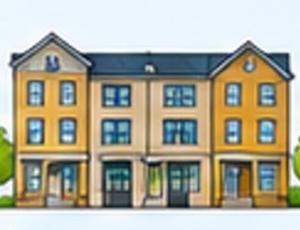
NEIGHBORHOOD SCALE: Townhouses, Small Apartments, Neighborhood Services
Residential and mixed residential areas where somewhat larger or more varied building forms fit the neighborhood context.
Townhouses and row houses
Small apartment buildings
Back and front homes (courtyard homes)
Cluster housing
Compatible neighborhood-scale uses (e.g. small-scale retail or services)
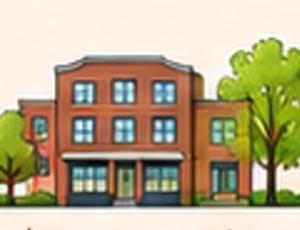
COMMUNITY SCALE: More Housing, Neighborhood Centers, Active Streets
Places that serve a broader neighborhood or community and can accommodate larger buildings and a greater mix of activities.
Larger apartment buildings
Mixed-use buildings
Neighborhood centers
Shops, restaurants, and services
Active commercial streets
Community-serving institutional and civic uses
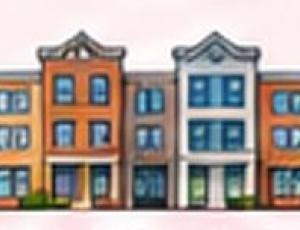
URBAN FLEX/URBAN NODE: Mixed Use, Shops, Apartments, Major Corridors
More urban contexts where larger buildings, active streets, and a broader mix of uses are appropriate. These districts are generally associated with major corridors, centers, transit, and other highly connected locations.
Multifamily housing
Mixed-use buildings
Offices, retail, and services
Larger development sites
Buildings that create a more continuous street frontage
Transit-supportive development
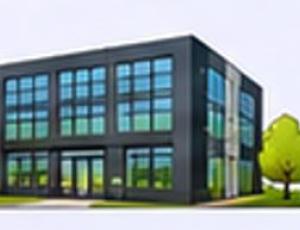
INDUSTRIAL FLEX/URBAN INNOVATION: Jobs, Industry, Institutions, New Economy
Employment and innovation areas where the code accommodates production, employment, institutional, technology, research, and other economic activity while establishing expectations for development form.
Employment centers
Light industrial and production uses
Research and technology facilities
Institutional uses
Offices and supporting commercial uses
Other compatible development

SPECIAL DISTRICTS: Parks, Open Spaces, Civic
In addition to the scale-based districts above, the Form-Based Code includes special districts for parks and open spaces and for civic and institutional places.
Parks and Open Space: The PK district is intended for parks, recreation, open space, and related civic or community uses. It is treated separately because its purpose is different from the residential, mixed-use, and employment scales
Civic: The CV district recognizes civic and institutional places that often have distinct development patterns and public functions. These may include schools, libraries, community facilities, government buildings, and other civic uses.
A range of contexts for a range of Cleveland Places
Each scale establishes expectations appropriate to its location. One scale is not "better" than another, and the neighborhoods are not expected to progress from one scale to the next.
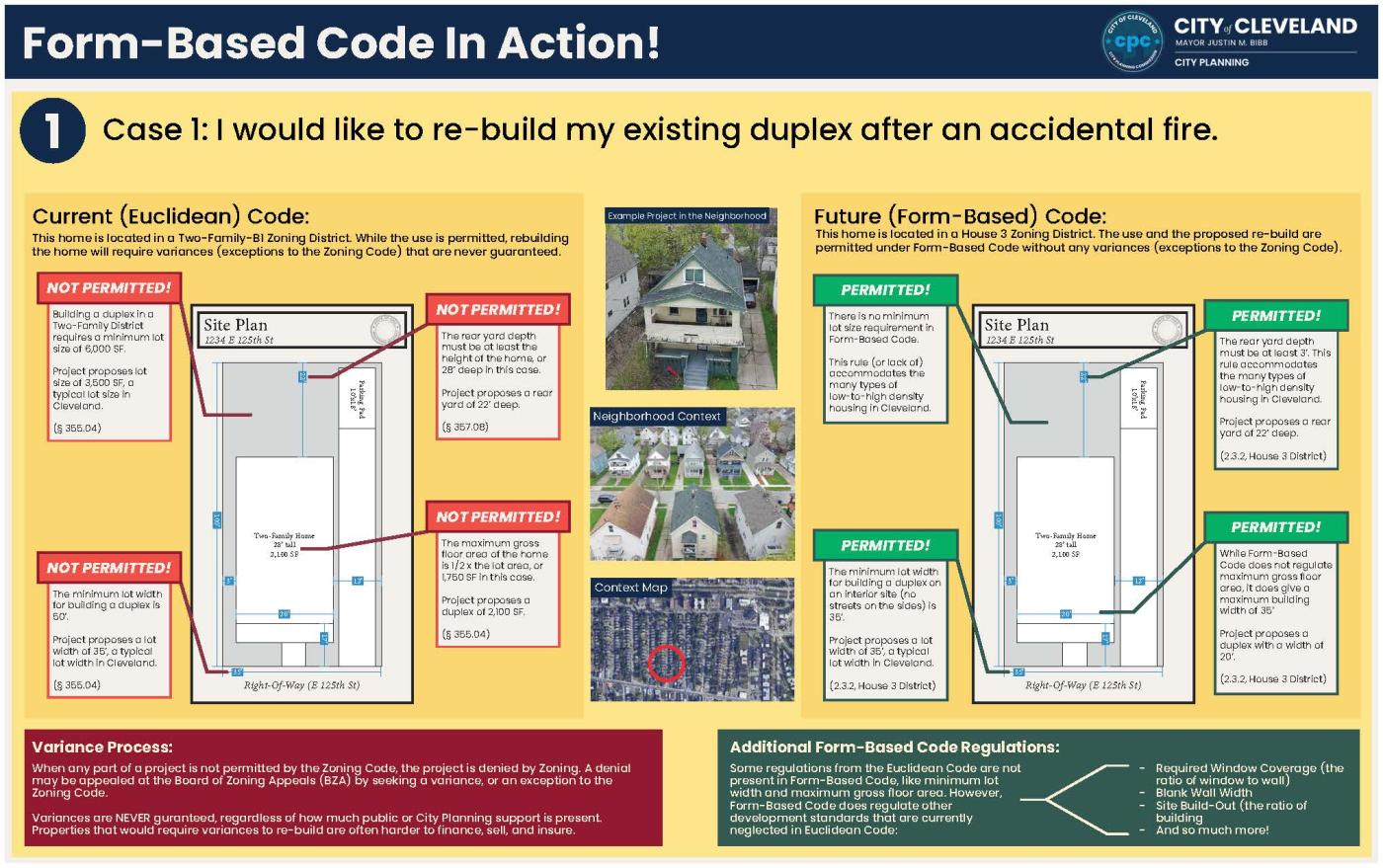
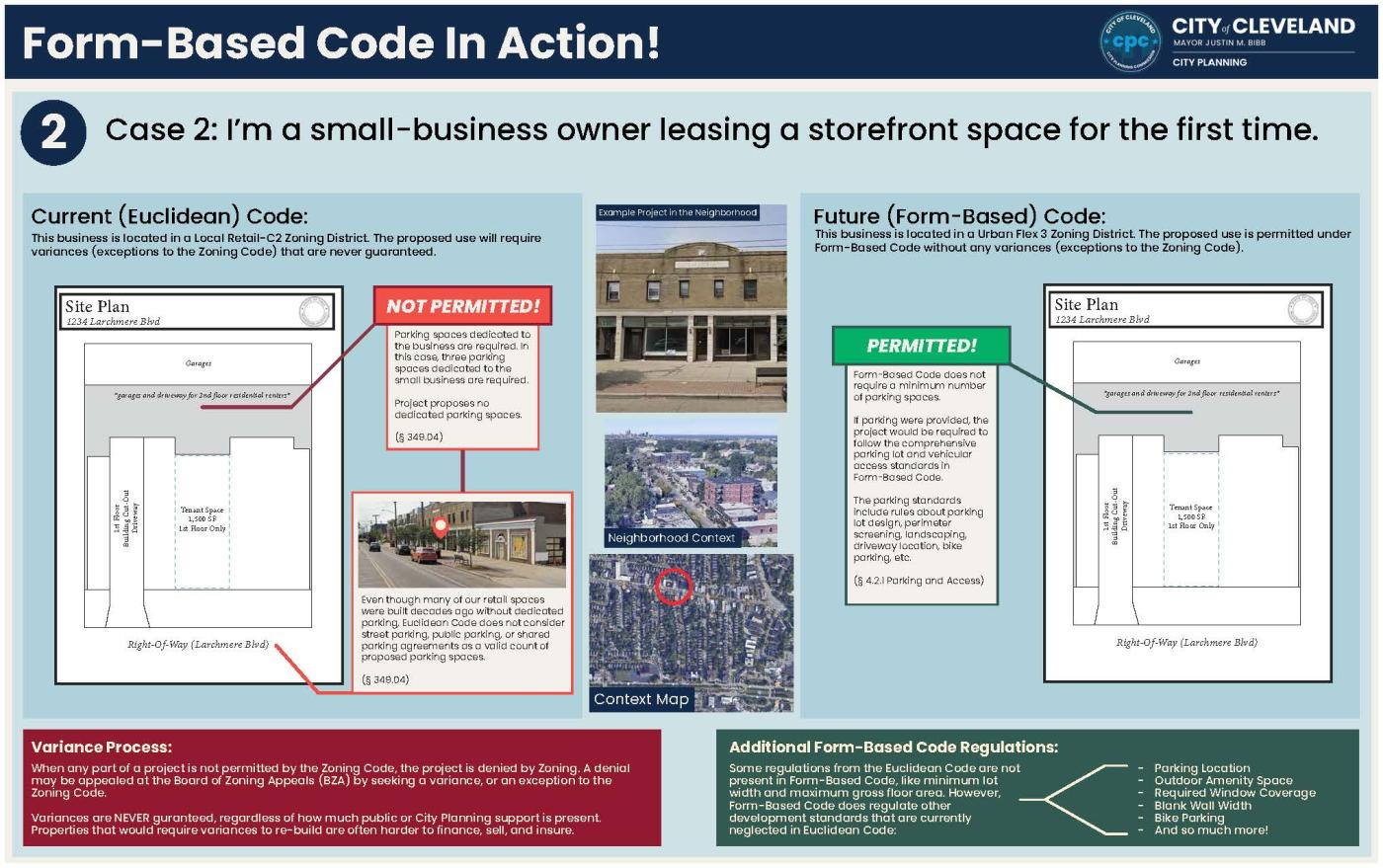
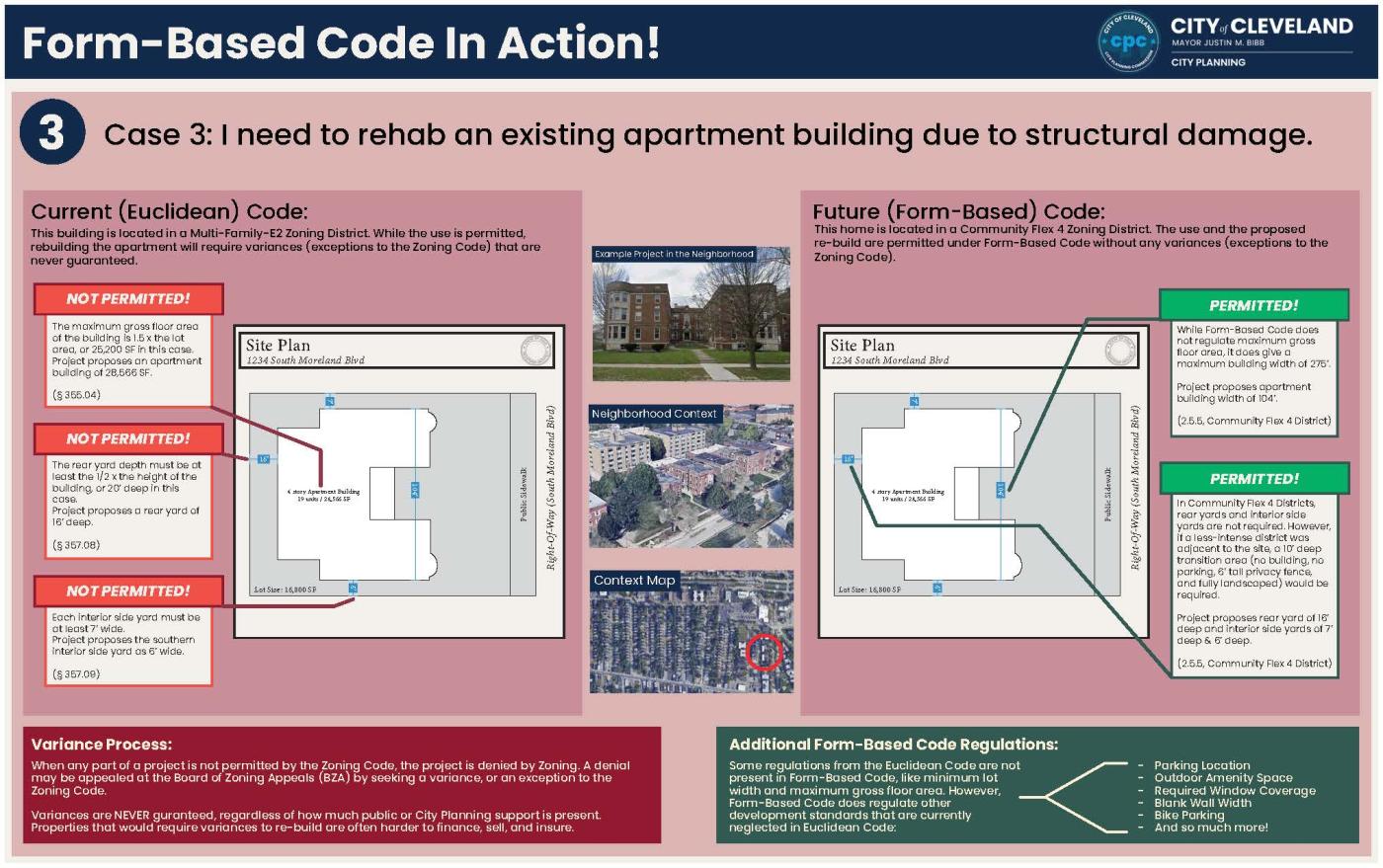
Form-Based Code In Action
Click through to see some examples of Form-based code being applied to a few common project types: