Respiratory Viruses
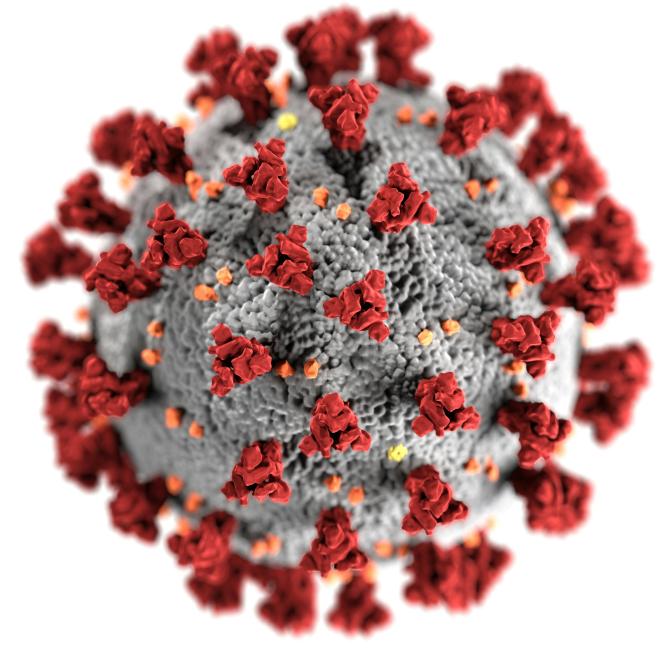
Flu, COVID-19 and RSV
Influenza (flu), COVID-19, and Respiratory Syncytial Virus (RSV) are common respiratory illnesses caused by viruses. They affect your lungs, airways, nose and throat, making it hard to breathe. You can catch these viruses any time of year, but respiratory virus illness activity peaks in the fall and winter months. The best way to protect yourself is to receive your seasonal vaccinations.
What are the symptoms of respiratory illnesses?
These illnesses spread in the same way:
- A person who has flu, COVID-19, or RSV coughs or sneezes near you and droplets from a cough or sneeze that contain the virus get in your eyes, nose, or mouth.
- You have direct contact with someone with flu, COVID-19 or RSV, like kissing the face of a child with who is sick.
- You touch a surface that has the virus on it, like a doorknob, and then touch your face before washing your hands.
Anyone can get sick with a respiratory illness, but some are more likely to get very sick including:
- children under 5.
- adults over 65 or people with certain medical conditions, such as chronic lung disease, heart disease or a weakened immune system.
- people with certain medical conditions.
- people who are unvaccinated or not up to date vaccinations.
| Influenza | COVID-19 | RSV | |
| Body aches | Common | Sometimes | Rare |
| Cough | Common | Common | Common |
| Difficulty breathing | Rare | Common | Sometimes |
| Fatigue or Tiredness | Common | Common | Rare |
| Fever | Common | Sometimes | Sometimes |
| Headache | Common | Common | Common |
| Loss of taste and smell | Rare | Sometimes | Rare |
| Runny or congested nose | Common | Common | Common |
| Sneezing | Common | Common | Common |
| Sore Throat | Sometimes | Common | Rare |
| Vomiting | Sometimes | Sometimes | Rare |
| Wheezing | Rare | Rare | Sometimes |
Flu symptoms usually appear 1-4 days after exposure to the virus, with an average incubation period of 2 days. Most people will feel better after 5-7 days. For some people, especially children, older adults and people with weakened immune systems, fatigue or coughing may stick around even longer.
You can spread flu to others 1 day before and up to 8 days after symptoms appear. You are most contagious during the first 3 days after symptoms start. It is possible to spread flu to others even if you don’t have any symptoms. Some people, including young children and people with weakened immune systems may be contagious for longer periods of time.
COVID-19 symptoms appear 2-14 days after exposure to the virus, with an average incubation period of 5 days. Most people will feel better in about 1-2 weeks. Recovery can take longer if your illness is severe or you have a weakened immune system.
You can spread COVID-19 1-2 days before and up to 8-10 days after symptoms appear. You are most contagious 1-2 days before and after your symptoms begin. It is possible to spread COVID to others even if you don’t have any symptoms.
RSV symptoms usually start 4 to 6 days after exposure to the virus. Most people will feel better in about 1-2 weeks. Recovery can take longer if your illness is severe or you have a weakened immune system.
You can spread RSV for 3 to 8 days after symptoms appear. Research on RSV suggests that you are contagious 1-2 days before you start showing symptoms. However, some infants and people with weakened immune systems can continue to spread the virus for 4 weeks or longer, even after they stop showing symptoms.
| Influenza | COVID-19 | RSV | |
| Incubation period | 1-4 days after exposure, average 2 days | 2-14 days after exposure, average 5 days | 4-6 days |
| How long does it last | 5-7 days | 1-2 weeks | 1-2 weeks |
| Infectious period | 1 day before to 8 days after symptoms start | 1-2 days before to 8-10 days after symptoms start | 1-2 days before to 3-8 days after symptoms start |
See a healthcare provider if:
- Your symptoms are not getting better or are getting worse
- You have a high fever or a fever that doesn’t go away after a few days
- You’re older or have ongoing health concerns
Go to the emergency room if you have any of these symptoms:
- Difficulty breathing or shortness of breath
- Pain or pressure in the chest or belly
- Sudden or persistent dizziness
- Not urinating
- Confusion
- Severe muscle pain or weakness
- Severe or repeated vomiting
- Fever or cough that get better but then return or worsen
- Worsening of chronic medical conditions
If your child or infant is sick, take them to the emergency if they have any of these symptoms:
- Fast breathing or trouble breathing
- Bluish skin color
- Dehydration (no urine for 8 hours, dry mouth, no tears when crying)
- Pain or pressure in chest or belly
- Being so irritable that the child does not want to be held
- Not waking up or not interacting
- Severe or repeated vomiting
- Sudden dizziness
- Confusion
- Flu-like symptoms that get better but then return with fever and worse cough
- Fever above 104 degrees Fahrenheit that is not controlled by fever-reducing medicine.
- Fever of 100.4 degrees Fahrenheit or higher for children younger than 3 months regardless of using fever-reducing medicines.
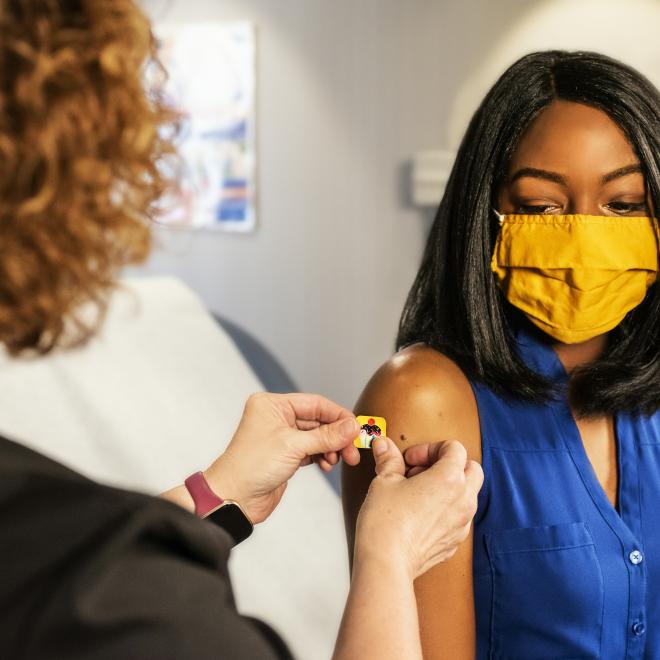
How can I protect myself and my family from respiratory illnesses?
Vaccines are the best protection against viral respiratory illnesses. These vaccines reduce the risk of illness and potentially serious complications that can result in hospitalization or even death. Flu and COVID vaccines are updated each year and annual vaccination is recommended.
After you get your shots, it takes about 2 weeks for your body to build full protection against respiratory illness. Protection against flu and COVID infection is strongest in the first 3 months after getting vaccinated. For this reason, we recommend getting your annual flu and COVID shots in the fall, so your immunity is strong during the holiday season when respiratory virus activity is at its highest. Currently, you only need to get an RSV vaccine once. Flu, COVID-19, and RSV vaccinations can all be administered at the same time.
Vaccine Schedule
| Influenza Vaccine | COVID-19 Vaccine | RSV Vaccine | |
| Who should get it? | Everyone ages 6 months and older. | Everyone ages 6 months and older. |
|
| When to get it? | Ideally in September or October, before respiratory illness season starts. If you miss this window, you can still get a flu shot in November OR later. | Ideally in September or October, before respiratory illness season starts. If you miss this window, you can still get a COVID shot in November OR later. | Eligible adults ages 50+ can get the vaccine any time of the year, but the best time to get is in late summer and early fall. Pregnant women can get the vaccine during weeks 32 through 36 of their pregnancy. |
| How often to get it? | Every year. | Every year. | Once. |
Prevention Tips
In addition to vaccines, these everyday actions can lower your risk of getting sick:
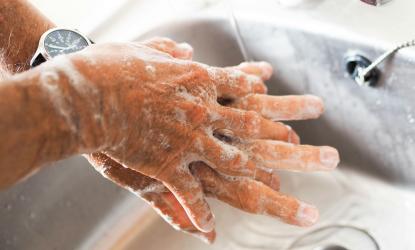
Wash your hands often with soap and water. Scrub your hands with soap under running water for 20 seconds. If soap and water are not available, use an alcohol-based hand rub.
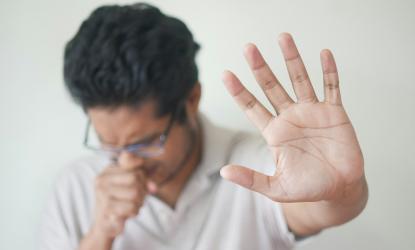
Avoid close contact with people who are sick.

Avoid touching your eyes, nose, and mouth. This is often how viruses enter the body.
If you are sick
If you are already sick, you can avoid spreading your illness by staying home and away from others as much as possible. Stay home for at least 24 hours after your fever is gone without using fever-reducing medication. Only go out to seek medical care.
Increasing ventilation in your home can also help reduce the spread of respiratory viruses to the people you live with. Ventilation removes indoor air that may be concentrated with airborne viruses and replaces it with fresh outdoor air. You can increase ventilation by opening windows and doors (when it’s safe to do so) and turning on exhaust, window, or attic fans.
If you do go out, wearing a mask can stop respiratory droplets from being released into the air where another person might breathe them in. Cover your nose and mouth with a tissue when you cough or sneeze when not wearing a mask.
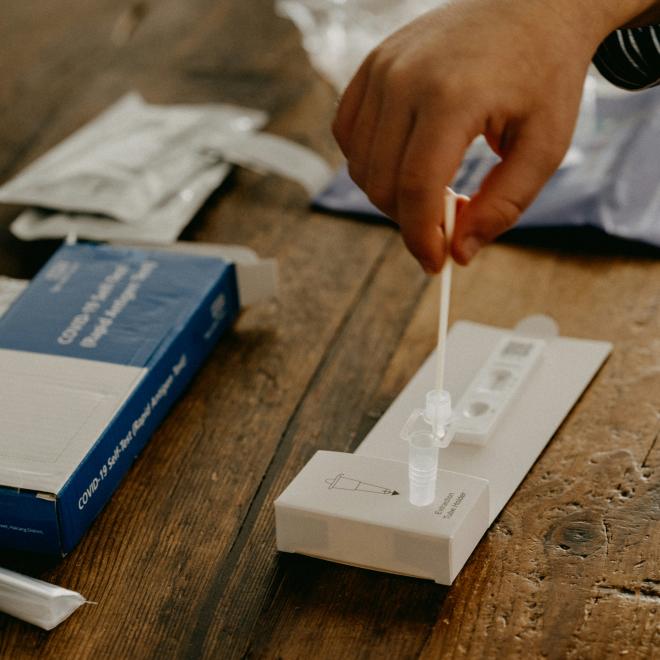
Testing Options
Knowing which respiratory virus you have can determine what treatment you need to get better. Most healthcare providers, including urgent cares or walk-in clinics, can test for flu, COVID, and RSV. You can also purchase at-home tests at most pharmacies or grocery stores. Many of these tests can detect all of these three respiratory viruses.
Treatment Options
Most cases of viral respiratory illness will get better on their own. When you are sick stay at home, drink plenty of fluids, and rest. Over the counter medications, like acetaminophen or Ibuprofen, can help reduce your fever and ease pain. Carefully read the instructions and warnings on the package insert for all medication you take. If you are pregnant, or have any medical conditions, check with your healthcare provider before taking any medications.
If you test positive for flu or COVID-19 and you have or are at risk for severe illness, your doctor can prescribe antiviral medications. These medications work best when they are started soon after your symptoms start. They can ease symptoms, shorten the length of time you’re sick, and reduce risk of complications.
There is no specific treatment for RSV.
Get the facts

Adults, especially those 60 years and older or with certain health conditions, can be at risk for severe RSV illness. RSV can lead to conditions like pneumonia and worsening of COPD.

Antibiotics do not work on viruses. When antibiotics aren't needed, they won't help you, and their side effects could still cause harm. Side effects can range from mild reactions, like a rash, to more serious health problems.
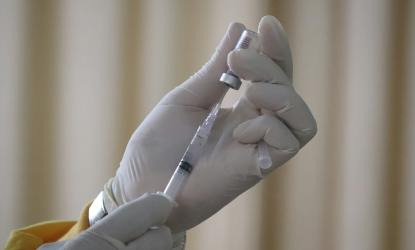
Flu vaccines cannot cause flu illness. Flu vaccines given with a needle (i.e., flu shots) are made with either inactivated (killed) viruses, or with only a single protein from an influenza virus. The nasal spray vaccine contains live viruses that are weakened so that they will not cause illness.
Provider information
Cases of influenza, COVID-19, and RSV that require hospitalization are Class B reportable conditions, meaning they must be reported to CDPH by the end of the next business day. These cases are not automatically reported by Electronic Lab Reporting like many other conditions, so you must report by phone at (216) 664-3747 or email (disease@clevelandohio.gov). Positive test results for cases that do not require hospitalization are not reportable.
Recommendations for Infection Prevention and Control in Healthcare Settings
- Achieving high vaccination rates of healthcare personnel (HCP) and patients is a critical step in preventing viral respiratory illness in healthcare personnel, and helps to reduce the risk of healthcare transmission of respiratory illness from HCP to patients and from patients to HCP.
- When scheduling appointments, instruct patients and people who accompany them to inform HCP upon arrival if they have symptoms of any respiratory infection (e.g., cough, runny nose, fever) and to take appropriate preventive actions (e.g., wear a facemask upon entry, follow triage procedure).
- Take steps to ensure all people with symptoms of a respiratory infection adhere to respiratory hygiene, cough etiquette, hand hygiene, and triage procedures throughout the duration of the visit. Provide facemasks to patients with symptoms of respiratory infection.
- Implement droplet precautions for patients with suspected or confirmed influenza, COVID, or RSV.
External Resources and Links
Ohio Department of Health: Influenza
Ohio Department of Health: COVID-19
Centers for Disease Control: RSV
Centers for Disease Control: Flu
Centers for Disease Control: COVID-19
Centers for Disease Control: Project Firstline Infection Control
American Medical Association: Respiratory Virus Season Immunization Recommendations
Environmental Protection Agency: Ventilation and Respiratory Viruses