Influenza (Flu)
The flu is a contagious respiratory illness that caused by more than one type of influenza virus strains. While most healthy people will recover from the flu, it can cause mild to severe illness and in some cases lead to death. Certain individuals are at a high risk of developing complications from the flu, including the elderly, children, those with chronic medical conditions (e.g. asthma or diabetes), and those who are immunocompromised.
Flu Vaccine Information
To find a vaccine provider near you, visit https://www.findyourvaccine.org/.
The City of Cleveland has two health centers that provide flu shots, with walk-ins welcome. Please call ahead with any questions or scheduling concerns.
T.F. McCafferty Health Center
4242 Lorain Avenue, Cleveland, OH 44113
(216) 664-6603
Monday 9:00 am – 4:00 pm (standing clinic)
J. Glen Smith Health Center
11100 St. Clair Avenue, Cleveland, OH 44108
(216) 664-7095
Thursday 9:00 am – 4:00 pm (standing clinic)
At this time, we are not providing homebound services for residents. We apologize for this inconvenience.
Additional Influenza Resources
What’s in the Flu Shot?
Dead or weakened antigens that help our bodies generate antibodies to fight the virus.
Types of Flu Vaccine
- Standard-dose
- Cell-Based (egg free)
- Recombinant (egg free)
- High Dose Quadrivalent (65 or older)
- Adjuvanted Quadrivalent (65 or older)
Should I Ask for a Specific Type?
- If you have an egg allergy ask for either the Cell-based or the recombinant. If this allergy is severe, get your vaccine in a clinical setting.
- If you are 65 or older ask for the High Dose or Adjuvanted Quadrivalent vaccines. If they are unavailable the standard-dose is fine.
Common Side Effects
- Soreness, redness, and/or swelling from the shot
- Headache
- Fever
- Nausea
- Muscle aches
Benefits
- Decreased chance of getting the flu
- Reduce severity if you do get sick
- Decrease risk of hospitalization
- Can be life-saving in children
MPOX
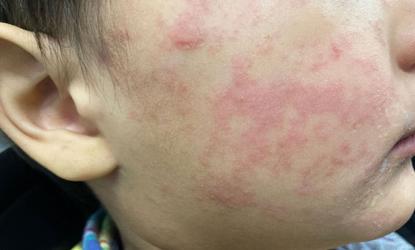
MPOX is a viral illness that typically can cause flu-like illness and swelling of the lymph nodes and progresses to a rash on the face and body. Most infections last 2-4 weeks. It typically takes between 1-2 weeks after exposure to exhibit symptoms from the MPOX virus, but it could take as long as 3 weeks. If you are experiencing symptoms or have concerns, please contact your primary care provider. Please also visit the information provided on this website including an informational page, MPOX vaccine clinic dates and times, FAQ's for patients as well as FAQ's for clinicians.
Folleto de información sobre la viruela del mono
What to Do If You Have Been Diagnosed With MPOX
MPOX Patient FAQs
MPOX is a rare disease caused by infection with the MPOX virus. MPOX virus is part of the same family of viruses as smallpox. MPOX symptoms are similar to smallpox symptoms, but milder.
Symptoms of MPOX can include:
- Fever
- Headache
- Muscle aches and backache
- Swollen lymph nodes
- Chills
- Exhaustion
- A rash that can look like pimples or blisters that appears on the face, inside the mouth, and on other parts of the body, like the hands, feet, chest, genitals, or anus.
- The rash goes through different stages before healing completely. The illness typically lasts 2-4 weeks.
Sometimes, people get a rash first, followed by other symptoms. Others only experience a rash.
MPOX can spread from person-to-person through direct contact with the infectious rash, scabs, or body fluids. It also can be spread by respiratory secretions during prolonged, face-to-face contact, or during intimate physical contact, In addition, pregnant people can spread the virus to their fetus through the placenta.
MPOX can also be spread through items (such as clothing or linens) that previously touched the infectious rash or body fluids. It’s also possible for people to get MPOX from infected animals, either by being scratched or bitten by the animal or by eating meat or using products from an infected animal.
Once you have visible symptoms (such as blisters or scabs), you are contagious and can transmit the virus to others. Some people develop flu-like symptoms before the blisters appear. These people are currently also considered an infection risk. MPOX can spread from the time symptoms start until the rash has fully healed and a fresh layer of skin has formed. The illness typically lasts 2-4 weeks.
MPOX can spread from one person to another through close physical contact, including sexual contact. It is currently not known whether monkeypox can be spread through sexual transmission routes (e.g., through semen or vaginal fluids), but direct skin-to-skin contact with lesions during sexual activities can spread the virus.
MPOX rashes are sometimes found on genitals and in the mouth, which is likely to contribute to transmission during sexual contact. Mouth-to-skin contact could thus cause transmission where skin or mouth lesions are present.
MPOX rashes can resemble some sexually transmitted diseases, including herpes and syphilis. This may explain why several of the cases in the current outbreak have been identified amongst men seeking care in sexual health clinics.
The risk of becoming infected with MPOX is not limited to people who are sexually active or men who have sex with men. Anyone who has close physical contact with someone who is infectious is at risk. Anyone who has symptoms that could be MPOX should seek advice from a health worker immediately.
At this time, the risk of MPOX in the United States is low. MPOX does not spread easily between people, and the time between exposure and when symptoms start gives health officials more time to track down contacts and break the chain of infection.
If you think you have been exposed to MPOX, monitor yourself closely for signs and symptoms for three weeks after the time you were last exposed. If you do develop symptoms, contact your health care provider for advice, testing and medical care.
- See a healthcare provider if you notice a new or unexplained rash or other MPOX symptoms.
- Avoid close contact (including intimate physical contact) with others until a healthcare provider examines you.
- If you’re waiting for test results, follow the same precautions.
- If your test is positive, stay isolated until your rash has healed, all scabs have fallen off, and a fresh layer of intact skin has formed.
If you think you have symptoms or have been a close contact of someone with monkeypox, contact your primary care provider for advice, testing and medical care. If possible, self-isolate and avoid close contact with others. Your health care provider will collect a sample from you for testing so that you can get appropriate care.
Children are typically more prone to have severe symptoms than adolescents and adults. The virus can also be passed to a fetus or to a new born through birth or early physical contact.
Infections with the strain of MPOX virus identified in this outbreak—the West African strain—are rarely fatal. Over 99% of people who get this form of the disease are likely to survive. However, people with weakened immune systems, children under 8 years of age, people with a history of eczema, and people who are pregnant or breastfeeding may be more likely to get seriously ill or die.
There are no treatments specifically for monkeypox virus infections. MPOX symptoms often resolve on their own without the need for treatment. It is important to take care of the rash by letting it dry if possible or covering with a moist dressing to protect the area if needed. Avoid touching any sores in the mouth or eyes.
Anti-viral drugs and vaccines may be recommended for people who have had contact with someone who has monkeypox, or for healthcare and public health workers who may have been exposed to the virus.
The CDC does not recommend widespread vaccination against MPOX at this time and you cannot request the vaccine yourself. However, vaccination may be recommended for some people who:
- Are close personal contacts of people with MPOX.
- May have been exposed to the virus.
- May have increased risk of being exposed to the virus, such as people who perform laboratory testing to diagnose MPOX.
Receiving Vaccine After Exposure to MPOX Virus
The CDC recommends that the vaccine be given within 4 days from the date of exposure in order to prevent onset of the disease. If given between 4–14 days after the date of exposure, vaccination may reduce the symptoms of disease, but may not prevent the disease.
There is currently no reason to expect that MPOX will become widespread.
MPOX is not typically considered to be very contagious because it requires close physical contact with someone who is infectious (e.g., skin to skin) to spread between people. The risk to the general public is low. The World Health Organization is responding to this outbreak as a high priority to avoid further spread and has for many years considered monkeypox a priority pathogen. Raising awareness about this new situation will help to stop further transmission.
You can reduce your risk by limiting contact with people who have suspected or confirmed MPOX.
If you do need to have physical contact with someone who has MPOX because you are a health worker or live together, encourage the infected person to self-isolate and cover any skin lesion if they can (e.g., by wearing clothing over the rash). Avoid skin-to-skin contact whenever possible and use disposable gloves if you have any direct contact with lesions. Wear a mask when handling any clothes or bedding if the person cannot do it themselves.
Regularly clean your hands with soap and water or an alcohol-based hand rub, especially after contact with the person who is infected, their clothes, bed sheets, towels and other items or surfaces they have touched or that might have come into contact with their rash or respiratory secretions (e.g., utensils, dishes). Wash the person’s clothes, towels and bedsheets and eating utensils with warm water and detergent. Clean and disinfect any contaminated surfaces and dispose of contaminated waste (e.g., dressings) appropriately.
Chickenpox is caused by a different virus. There is currently no specific data that past exposure to chickenpox provides protection against MPOX.
Our understanding of how long immunity lasts following MPOX infection is currently limited. We do not yet have a clear understanding whether a previous MPOX infection gives you immunity against future infections and for how long, Even if you have had MPOX in the past, you should be doing everything you can to avoid getting re-infected.
The MPOX virus can infect rodents (squirrels, rats and mice), rabbits and monkeys. The rodents in Africa that are the natural hosts of the virus often show minimal symptoms from an infection. Monkeys and rabbits can develop respiratory symptoms, eye infections and skin abnormalities, and may also have a fever. A MPOX infection has never been confirmed in other animals, such as dogs, cats, cows, pigs, sheep and goats. No animal infections have been detected in Europe.
No. If you think you might have MPOX, contact your primary care provider immediately.
MPOX Vaccine FAQs
The JYNNEOS vaccine is recommended for people who have been exposed or are at high risk for MPX infection. At this time, people who had MPX during this outbreak are not recommended to get vaccinated.
The JYNNEOS vaccine is approved for the prevention of MPX. The vaccine contains vaccinia virus, a virus related to the MPX and smallpox viruses, that has been weakened, cannot copy itself in human cells, and cannot spread to other parts of the body or people.
The vaccine is given subcutaneously to those younger than 18 years old and intradermally to individuals 18 and older.
The JYNNEOS vaccine is a two-dose vaccine, with at least four weeks between doses. Full immunity from the vaccine occurs two weeks after the second dose.
Yes. JYNNEOS has been studied in people with HIV and no severe adverse reactions were identified. People with this condition or a weakened immune system may have more severe disease if infected with MPX. However, people with a weakened immune system may be less likely to build an effective immune response following vaccination, so it is important to continue other prevention measures even after vaccination.
Yes. People who are pregnant or breastfeeding and had a recent exposure to MPX should get vaccinated. There is limited information on the use of JYNNEOS in people who are pregnant or breastfeeding. Studies on animals have shown no evidence of harm to a developing fetus. Because the virus in the vaccine cannot copy itself in human cells, there is likely no risk to breastfed infants.
People who had a severe allergic reaction to a prior dose of JYNNEOS should not get vaccinated. People who have had a severe allergic reaction to gentamycin or ciprofloxacin, or to chicken or egg protein should speak with their health care provider before being vaccinated.
Side effects after receiving the JYNNEOS vaccine can include:
- Tiredness
- Headache
- Muscle Pain
At the injection site, common symptoms include:
- Redness
- Swelling
- Soreness
- Itchiness
Signs of a severe allergic reaction include hives, swelling of the face and throat, difficulty breathing, a fast heartbeat, dizziness, and weakness. If you think you are having a severe allergic reaction, call 911 or go to the hospital. Call your health care provider if you have other side effects that concern you. Your provider is required to report serious adverse reactions to the Vaccine Adverse Event Reporting System (VAERS), but you can also report at vaers.hhs.gov or by calling 800-822-7967.
People who were vaccinated against smallpox prior to this outbreak should get vaccinated if they were exposed to MPX or are otherwise eligible for the vaccine.
The CDC recommends waiting four weeks after the JYNNEOS vaccine to get your COVID-19 vaccine/booster shot. However, if you have already had the COVID-19 vaccine/booster, you do not need to wait to get the MPX vaccine.