Rabies

Rabies
Rabies is a fatal, but preventable viral disease. It is spread through the bite of a rabid animal. Though rare, it is also possible to spread rabies when saliva or brain tissue from a rabid animal gets into an open wound or onto a mucous membrane. Once symptoms of rabies appear, the disease is nearly 100% fatal.
In Ohio, rabies is most commonly seen in bats. If you have been in contact with a bat, even if you aren't sure you were bitten or scratched, call CDPH at (216) 664-3747 to discuss your rabies exposure risk and whether you need vaccination.
How is rabies contracted?
Anyone can get infected with rabies if exposed. Those at higher risk of being exposed include:
- people who work with animals, like veterinarians or animal control officers
- people who frequently travel to countries where rabies in dogs is common
- people with occupational or recreational activities that bring them into close contact with wild animals
After a rabies exposure, the rabies virus must travel to the brain before it can cause symptoms. On average, this can take 2–3 months but may vary from 1 week to 1 year.
The first symptoms of rabies may include:
- Flu-like illness including weakness, discomfort, fever, or headache
- Pain, prickling, or itching at the site of the bite
Usually, severe disease appears within 2 weeks of the first symptoms. Symptoms of advanced rabies include:
- Anxiety
- Confusion
- Agitation
- Hallucinations
- Being very thirsty but panicked by fluids
- Having lots of saliva
- Aggressive behavior
Because there is no treatment for rabies once symptoms begin, it is very important to prevent rabies in the first place. Some steps you can take to prevent rabies include:
- Talk to a healthcare provider right away if you are bitten by an animal. Rabies is preventable if you receive post-exposure prophylaxis (PEP) quickly after a bite and before symptoms start. Rabies PEP includes wound care, human rabies immune globulin (HRIG), and a four-dose vaccine series. Many local emergency departments can start rabies PEP.
- Report all animal bites to City of Cleveland Animal Control services at 216-664-3069.
- Prevent bites from animals, especially wild or unfamiliar animals.
- Wash animal bite wounds immediately with soap and water.
- Vaccinate pets against the rabies virus and keep them up to date on their shots.
- Prevent bites from animals, especially wild or unfamiliar animals.
- Report all animal bites to City of Cleveland Animal Control services at 216-664-3069.
Each year in Ohio, rabies is found in approximately 30 mostly wild animals. Rabies infects very few humans in the United States, with fewer than 10 deaths reported each year.
The Ohio Department of Health also tracks animal rabies cases by county on their website.
Get the facts

In order to be infected with rabies, the saliva from the infected animal must enter your body. Petting a rabid animal or contact with the blood, urine, or feces does not transmit rabies. Still, it’s best not touch wild animals to avoid other viruses, bacteria, or parasites that can be transmitted through casual touch.
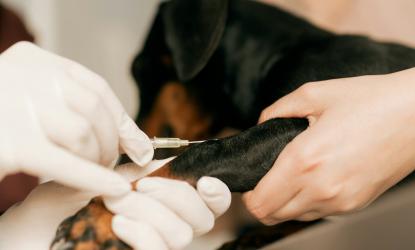
Rabies vaccines are an important part of protecting your indoor pet against an unexpected rabies exposure. Pets can accidently slip outside or can be exposed if a bat or other wildlife gets into your home. Talk to your veterinarian about the best way to protect your pet.
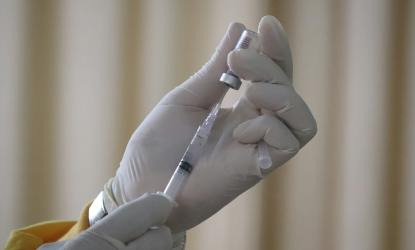
In the past, rabies treatment required 20 or more shots to the stomach by a large, long needle. However, today's treatment regimen is typically only four vaccinations (five for immunocompromised people) in the arm, plus human rabies immune globulin.
Provider information
Rabies is a Class A reportable disease. This means if you suspect your patient has rabies you must report it to CDPH immediately by calling (216) 857-7473.
Rabies virus is transmitted through direct contact (e.g., through broken skin or mucous membranes in the eyes, nose, or mouth) with saliva, tears and lacrimal secretions, or brain/nervous system tissue from an infected animal or person. Bite and non-bite (e.g., cerebrospinal fluid, brain tissue) occupational exposures from an infected person could theoretically transmit rabies to healthcare personnel, but no such cases have been confirmed. Casual contact, such as touching a person with rabies or contact with non-infectious fluid or tissue (e.g., urine, blood, feces), is not associated with a risk for infection. Rabies virus is not transmitted through contaminated objects or materials such as clothes or bedding.