Office of Emergency Preparedness
Public Health Emergency Preparedness
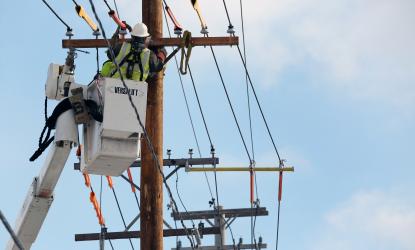
A public health emergency can be caused by an outbreak of disease, like COVID-19 or measles, a snowstorm, a heat wave, or a lengthy power outage that limits access to supplies and services for several days, especially affecting those who are medically dependent. Continuing to take all precautions may be difficult, but don’t let your guard down now.
Prepare and protect yourself and your family
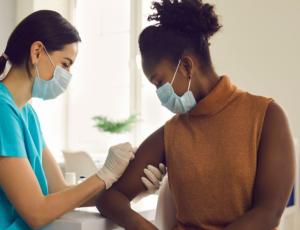
Vaccinations and Immunizations
Talk to your healthcare provider about whether your vaccinations are up-to-date. They can review your vaccination history and let you know which vaccines you may need based on your age, health, and other factors. Staying up-to-date on recommended vaccinations can help protect you and those around you from serious diseases.
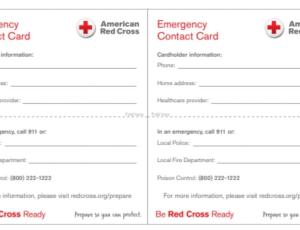
Emergency Contact Cards
Create emergency contact cards for all household members. Write the contact information for each household member, such as work, school and cell phone numbers. Fold the card so it fits in your pocket, wallet or purse. Carry the card with you so it is available in the event of a disaster or other emergency.
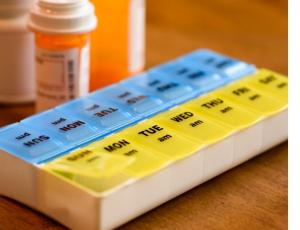
Prescription and Over the Counter Medications
Have at least a 2-week supply of prescription and non-prescription medications, including over-the-counter medicines and medical supplies to treat fever and other symptoms.
ReadyNotify Alert System
ReadyNotify is the emergency notification system used by Cleveland and Cuyahoga County to issue notifications to the public regarding emergency events, weather warnings, and other community notifications. Sign up at ReadyNotify.US and select Cleveland. Participating in the ReadyNotify Program is voluntary. A valid email address and phone number will be needed to sign-up.
Preparedness Kits
One of the cornerstones of Preparedness is having the supplies you need when you need them. FEMA recommends a basic kit, but a personal preparedness kit can include anything you want or need. Keep it portable and only essential items. Below are suggestions and recommendations for kits that can save lives.
Be prepared for an emergency by keeping the gas tank full and if you are stranded, be safe and stay in your car, put on your flashers, call for help and wait until it arrives.
- Water: one-gallon per day - per person
- Food: Non-Perishable
- Battery-Powered or hand crank radio and a NOAA Weather Radio with tone alert
- Flashlights and Extra Batteries
- First Aid Kit and Necessary Medications
- List of all prescription Medications
- Prescription Medications and Glasses
- Signal Whistle
- Dust Mask(s)
- Personal Sanitation Items
- Tools to turn off Utilities (wrench and pliers)
- Can Opener for Food (if kit contains canned food)
- Local Maps
- Jumper Cables
- Flashlights and Extra Batteries
- First Aid Kit and Necessary Medications
- Prescription Medications and Glasses
- Food Items Containing Protein Such as Nuts and Energy Bars; Canned Fruit and Portable Can Opener
- Water for Each Person and Pet in Your Car
- AM/FM Radio to Listen to Traffic Reports and Emergency Messages
- Cat Litter, Oil Dry, or Sand for Better Traction
- Shovel and Ice Scraper
- Warm Clothes, Gloves, Hat, Sturdy Boots, Jacket and an Extra Chang of Clothes
- Blankets and Sleeping Bags
- Food: 3-Days in an Adequate Container
- Water: 3-Day Consumption
- Medicines and Medical Records
- First Aid Kit: Talk to Your Veterinarian About What Your Pet Needs
- Collar With ID Tags, Harness, or Leash
- Crate or Other Pet Carrier
- Sanitation: Litter, Newspaper, and Items to Clean Up Messes
- A Picture of You and Your Pet Together:
- A Picture Can Help With the Reunification Process
- Familiar Items, Such as Toys to Help Reduce Stress
More resources are available on the FEMA Pet Preparedness website.
- A Fully-Charged Cell Phone and Charger
- Important Family Documents
- Flares or Reflective Triangles
- Baby Formula and Diapers if Necessary
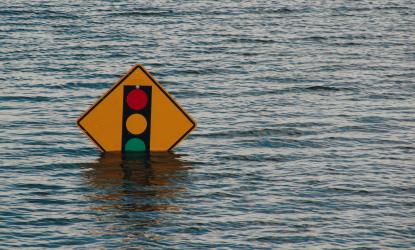
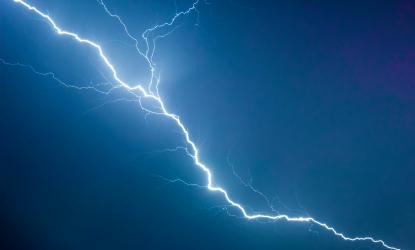
Likely Hazards for Clevelanders
How You Can Help
The Cuyahoga County Board of Health Medical Reserve Corp (MRC) is a volunteer organization that supports local public health departments with their emergency preparedness initiatives. Volunteers from 59 cities, villages, and townships in Cuyahoga County make up the CCMRC. These dedicated volunteers to use their professional expertise to improve the public health of their communities on an ongoing basis. During times of crisis and non-crisis, volunteers will supplement the existing public health infrastructure to improve overall preparedness and to promote healthy behaviors, prevention of disease, and provision of care in the community.
The Cuyahoga County Community Emergency Response Team (CERT) programs educate volunteers about disaster preparedness for the hazards that may impact their area and train them in basic disaster response skills, such as fire safety, light search and rescue, team organization, and disaster medical operations.
Office of Emergency Preparedness
Tracy A. Pate
Emergency Preparedness Coordinator
Cleveland Department of Public Health
75 Erieview Plaza
Office Phone: 216-664-2058
Work Cell: 216-857-3048
tpate@clevelandohio.gov
Natalia Maikranz MPH, MCHES
Deputy Emergency Preparedness Coordinator
Cleveland Department of Public Health
75 Erieview Plaza
Office Phone: 216-857-7489
Nmaikranz@clevelandohio.gov